
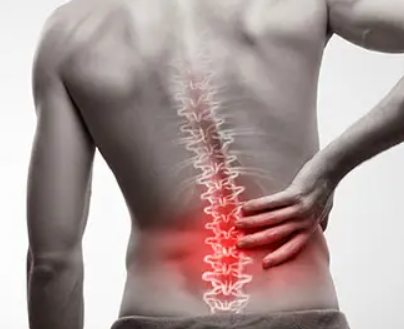
Are you struggling with low back pain despite having tried “everything”? Many feel like this, but reality is that they haven’t tried everything — and many have done the wrong things despite their efforts being based on well-meaning advice. This, of course, is not the patient’s fault. Unfortunately, medical research is torn pertaining to the […]
Articles, Jaw, head and neck
Do you really have atlantoaxial and craniocervical instability? A critical view on the overdiagnosis of AAI/CCI
13
Jul
Jul
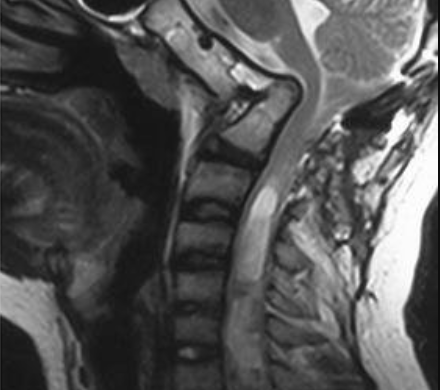
Atlantoaxial (AAI) and craniocervical instability (CCI) are two potentially sinister diagnoses that cause damage to the segmental neurovascular structures due to overmobility of the upper cervical spine. This, usually due to trauma, but can also occur gradually due to certain autoimmune disorders such as rheumatoid arthritis, gross congenital hypermobility (such as Ehler Danlos syndrome or […]
Articles, Jaw, head and neck
Postural orthostatic tachycardia syndrome (POTS) and its relation to craniovascular dysfunction
05
Feb
Feb
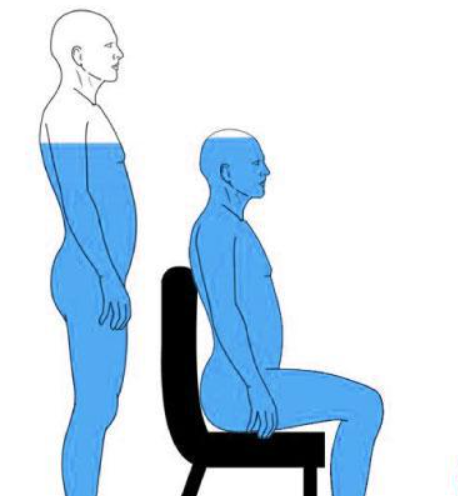
Postural orthostatic tachycardia syndrome (POTS) is regarded as a chronic but generally idiopathic dysfunction of the autonomic nervous system, ie., the system that regulates automatic processes such as blood vessel dilation and narrowing. In addition to the postural tachycardia that develops, these patients tend to suffer from profound fatigue, syncopal or presyncopal events, migraines, vestibular […]
05
Sep
Sep
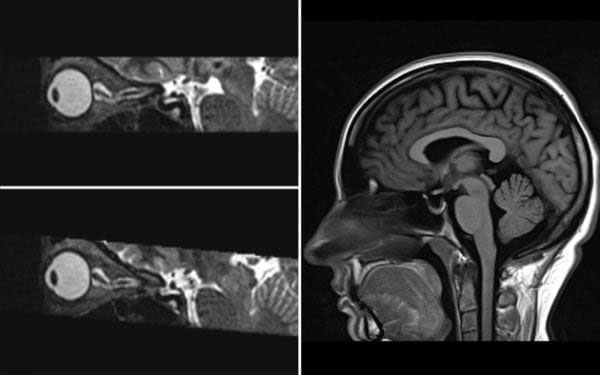
A variable degree of intracranial hypertension (ICH) is a common affliction amongst patients with myalgic encephalomyelitis / chronic fatigue syndrome (Higgins 2013, 2015, 2017; Hulens 2018), vestibular dysfunction (Higgins 2015, Liu 2019), endolymphatic hydrops (Ranieri 2017), chronic headache or migraine (Digre 2002), and [pulsatile] tinnitus (Chiarella 2012). Yet, the majority of these patients remain undiagnosed […]
Jaw, head and neck
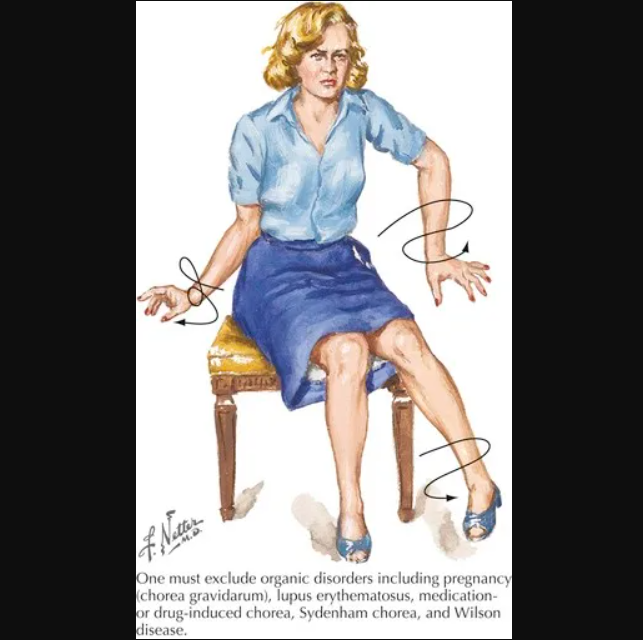
Neuropathy as an inductor of Tourette’s syndrome, cervical dystonia and chronic cough
15
Aug
Aug
Tourette’s syndrome and similar tic-like behaviors are common, and can range from mild to very severely manifesting between afflicted patients. The overall prevalence of Tourette’s syndrome is estimated to be approximately 0.1-1% in the population, whereas cervical dystonia occurs much less frequently at mere 5-30 cases out of 100 000 (NIH, Swain 2005, Deik 2023). […]
Hip, Low back and pelvis
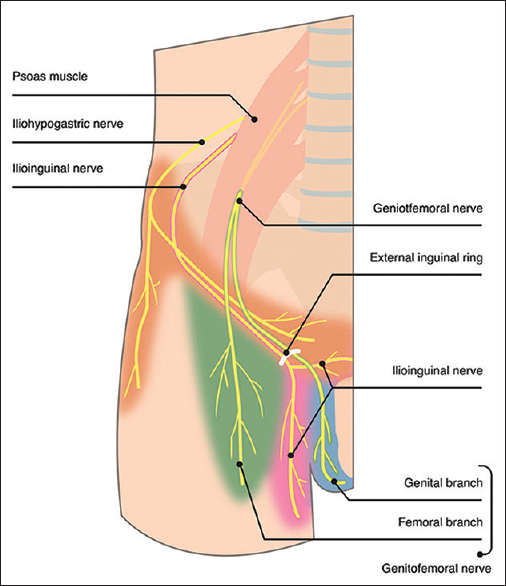
Pectineo-femoral pinch syndrome: A common cause of groin & anterior thigh pain and weakness
11
Jun
Jun
Groin and anterior femoral pain is relatively common, especially amongst women, and can sometimes be debilitating. These symptoms are often wrongfully diagnosed as generalized diagnoses such as pelvic girdle syndrome, or as fibromyalgia. It can also be misdiagnosed as meralgia paresthetica, femoral or saphenous neuralgias. This article will detail an unknown but common musculoskeletal pathology […]
Jaw, head and neck, Low back and pelvis
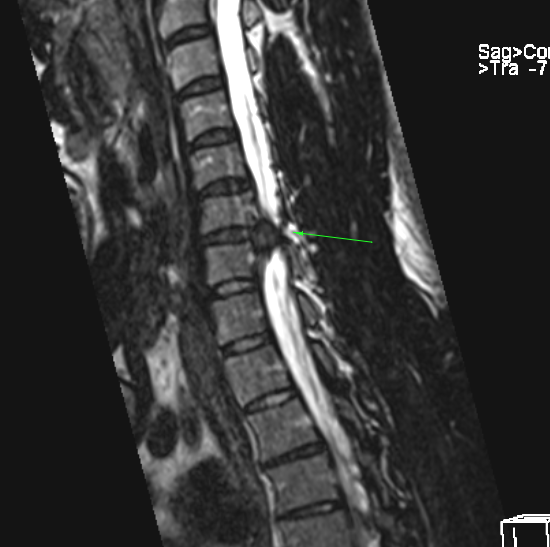
Chronic spinal pain and radiculopathy: Diagnostic approach and common imaging pitfalls
23
May
May
Many patients suffer from chronic spine or radicular pain (radiative pain into their limbs), and undergo magnetic resonance imaging (MRI) with an aim to detect the cause of their symptoms. There are many things that can go wrong in this process, resulting in improper treatment and patient guidance. This article will address common mistakes as […]
Articles, Low back and pelvis
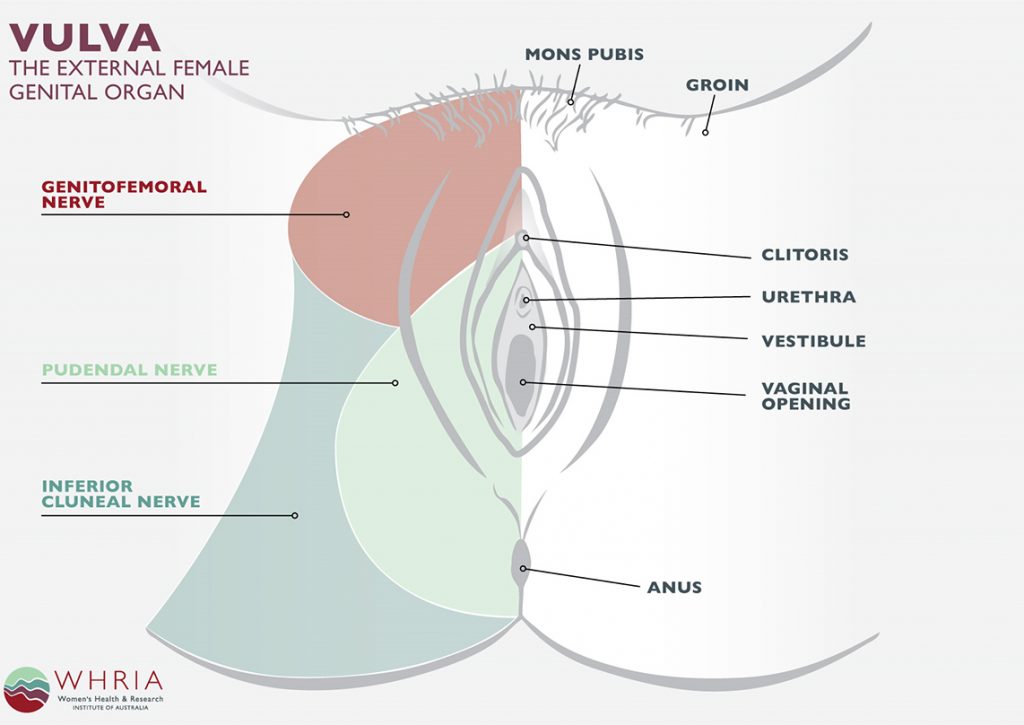
Neurogenic genital pain: Pudendal neuralgia and inferior hypogastric plexalgia
06
May
May
Neurogenic genital pain is relatively rare and may affect between 0,001-1% of the population, and up to 4% of patients with prediagnosed chronic pelvic pain (Spinosa 2006). However, its true occurrence rate may be underestimated due to diagnostic difficulties. Most of these patients are sent to urology or gynecology consults, but obvious pathology is undetected. […]
Articles, Jaw, head and neck
Myalgic encephalomyelitis (ME/Chronic fatigue syndrome), does it have a biomechanical component?

24
Sep
Sep
Myalgic encephalomyelitis (ME) is one of medicine’s grand mysteries. Its etiology is not known, and patients afflicted are rarely documented to recover from their ailment. Its diffuse presentation includes many symptoms, which implies that ME is actually an “umbrella diagnosis” for several underlying problems. One of the problems with the ME diagnosis is that its symptoms […]

22
Jul
Jul
Vestibular disorders are quite common, and largely considered idiopathic. It was estimated that up to 35% of the U.S. population above 40 years of age has vestibular dysfunction. It affects women up to three times more frequently than men (Neuhauser et al., 2005; 2007). Some of the more known types of vestibular impairment, are BPPV (benign […]